

Pink Roses Meaning — Romance, Gratitude and Feminine Elegance
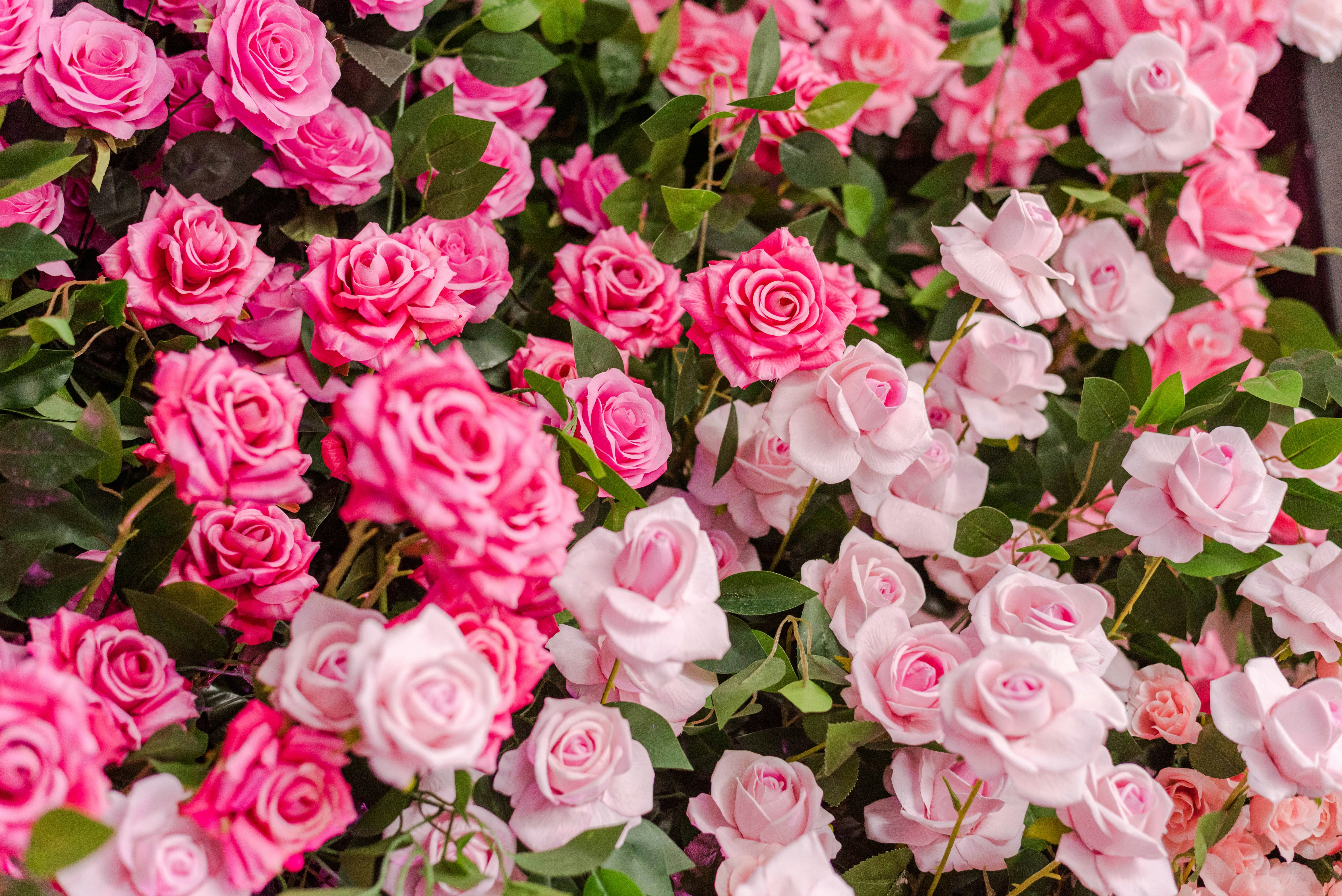
While red roses shout, pink roses whisper. This distinction lies at the heart of pink roses meaning across cultures and centuries. A pink rose is not a diluted red rose — it carries its own language, refined and nuanced, perfect for expressing feelings that demand subtlety rather than proclamation. Whether you're expressing gratitude, admiration, or a softer kind of love, understanding the symbolism of pink roses helps you choose the right flower for the right moment.
Pink roses have captivated poets, artists, and lovers for generations. From Victorian floral codes to modern international gifting, they bridge the gap between passionate red and innocent white, carrying a unique emotional frequency all their own. In this guide, we explore what different shades of pink represent, their cultural significance across the world, and when pink roses are exactly the right choice.
Understanding the Spectrum: What Each Shade of Pink Means
Not all pink roses are created equal. The meaning of pink roses shifts subtly depending on the intensity and tone of the color — from pale whispers to deep, eloquent statements.
Pale Pink Roses: The softest shade carries meanings of admiration, gentleness, and grace. Pale pink is often associated with femininity in the traditional sense — beauty without aggression, strength without hardness. In many cultures, pale pink symbolizes a gentle kind of love: the affection between family members, the admiration of someone's character rather than a romantic yearning. They are the perfect choice when you want to celebrate someone's kindness or acknowledge their positive influence in your life.
Medium Pink Roses: This is the heart of the pink spectrum, and it carries the clearest expression of appreciation and admiration. Medium pink says: "I see you, I value you, and I'm grateful for your presence in my life." It's the color of Mother's Day bouquets, birthday gifts to friends, and gestures of warm friendship that carry genuine depth without crossing into romance.
Hot Pink / Deep Pink Roses: Where pale pink whispers, deep pink declares. Deep pink roses symbolize gratitude, appreciation, and recognition with a note of elegance and refinement. They carry more intensity than their paler cousins but still lack the passionate urgency of red. Deep pink is ideal for thanking someone for a significant act of kindness, or for honoring someone you deeply respect and admire.
Dark Pink Roses: The darkest pink shades border on magenta and express profound thanks and deep admiration. Some floral traditions associate dark pink specifically with gratitude for favors — making them perfect for anyone who has gone out of their way to help you.
The beauty of pink roses is that they allow you to calibrate your emotional message. Red might be too intense, and white might be too formal — but somewhere in the pink spectrum, there's a shade that matches exactly what you're trying to say.
Pink Rose Symbolism Across Cultures and History
The pink rose symbolism has evolved differently depending on where you look, though certain themes unite them all.
Victorian Era (19th Century): During the height of floriography — the coded language of flowers — pink roses represented a kind of admiration that was less passionate but more refined than red. For unmarried people in restrictive social environments, a pink rose was a safer, more deniable gesture of affection than a red one. You could gift pink roses to someone you admired without making a dramatic romantic declaration that would require a response or create scandal.
Christian Tradition: In Christian symbolism, the Virgin Mary — associated with purity, grace, and divine love — is often depicted with pink roses. This connection elevated pink as a color of spiritual grace and feminine beauty in Western religious art. Pale pink roses thus carry connotations of both earthly admiration and divine blessing.
Ancient Greek and Roman Contexts: The rose itself was sacred to Aphrodite (Venus), goddess of love. While red carried the heat of passionate love, lighter shades — including pink — represented the gentler, more lasting forms of affection: companionship, gratitude, and tender regard. The fact that the mythological origin story of red roses involves the bloodshed of desire adds poignancy to the softer hues.
Asian Traditions: In Japan, pink is a color of celebration and joy, distinct from the Western association with romance. Pink roses in Japan might be given to celebrate a person's character or beauty without strictly romantic intent. In China, pink symbolizes delicacy and feminine grace — reflecting the cultural ideal of refined beauty. This distinction means that gifting pink roses internationally carries slightly different undertones depending on the recipient's cultural background.
For a deeper dive into how different cultures interpret flowers, visit Wikipedia's guide to the language of flowers.
Pink Roses and Gratitude: The Modern Meaning
If red roses are the currency of romantic love, pink roses are the currency of gratitude. In contemporary florist practice, pink roses dominate thank-you bouquets, appreciation gifts, and recognition flowers.
When to give pink roses as a thank-you:
- To a teacher or mentor: Pink roses honor the guidance and knowledge they've shared without crossing professional boundaries.
- To a caregiver: Whether a nurse, therapist, or family member who has supported you through difficulty, pink says "your kindness mattered."
- To a colleague: Celebrating a work achievement or thanking someone for collaboration, pink is professional yet warm.
- To a close friend: Pink roses recognize the uniqueness of the friendship without romantic subtext — perfect for celebrating years of loyalty.
- To someone who has done a favor: Pink is the optimal flower for genuine thanks when words alone seem insufficient.
This is why pink roses dominate in Mother's Day bouquets across many Western countries — they express love, admiration, and gratitude simultaneously, honoring the complexity of the mother-child bond without reducing it to simple romance.
Pink Roses for Romantic Occasions (Softer Than Red)
Though pink roses are more often associated with gratitude, they do carry romantic potential — just a gentler kind than red.
Pink roses work beautifully for:
- Early-stage romance: When feelings are budding but not yet solid, pink communicates affection without the intensity of red. It says "I like you, and I want you to know" rather than "I am completely committed."
- Shy or coded declarations: In cultures where public displays of emotion are subdued, pale pink allows someone to hint at romantic interest while maintaining plausible deniability.
- Long-term relationships: After years of partnership, pink can express admiration for your partner as a person — the tenderness of seeing them clearly and loving what you see.
- Valentine's Day alternative: If you want to express love but not with the intensity of red, pink strikes a balance between friendship and passion.
Pink roses are also the flower of choice in many Asian cultures when expressing romantic interest, where softer emotional language is valued. Browse our pink bouquet collection to explore arrangements perfect for any occasion.
When Pink Roses Are Exactly Right (And When to Choose Different)
Like all flowers, pink roses have moments where they're perfect and moments where a different bloom would serve better.
Pink roses are ideal for:
- Thanking someone for kindness or support
- Celebrating Mother's Day or similar family occasions
- Congratulating someone on an achievement (without romantic undertones)
- Expressing admiration for someone's character
- Gently expressing romantic interest in early relationships
- Birthdays of close friends or family
- Recovery wishes and gentle encouragement
Consider a different flower when:
- Proposing marriage or making a major romantic commitment: Red roses or a mixed arrangement is more appropriate.
- Expressing condolences or sympathy: White roses or lilies are the traditional choice for funeral and memorial flowers.
- Celebrating a major work milestone: Yellow or orange roses may be more fitting for professional celebrations.
- Expressing passionate love: If deep romantic intensity is your message, red is the clearer choice.
The right flower amplifies your intention. Pink roses work because they carry a universally understood but emotionally intelligent message: "You matter to me, and I want you to know it."
The Science Behind Our Response to Pink Roses
There's something about the color pink itself that prompts a psychological response. Pale pink is associated with calm, nurturing, and softness — qualities that make pink roses feel like a gift wrapped in warmth rather than drama. Deep pink adds sophistication without the confrontation of red.
This is why pink roses have become especially popular in gift-giving contexts across the world. They avoid the pressure that red roses carry (the implicit expectation of reciprocal romantic declaration) while still saying "this gift is personal and carries feeling."
From a design perspective, pink roses also photograph beautifully. Their soft color catches light in a way that red sometimes doesn't, which is partly why they've become so prominent in wedding and Instagram-era floral design.
Frequently Asked Questions About Pink Roses
What do different shades of pink roses mean?
Different shades of pink carry distinct emotional meanings. Pale pink represents admiration, gentleness, and grace — a soft kind of affection. Medium pink expresses appreciation and gratitude, ideal for thanking someone or celebrating their presence in your life. Deep or hot pink carries stronger admiration and recognition, with a note of elegance. Very dark pink, bordering on magenta, expresses profound gratitude and deep thanks. The lighter the shade, the gentler the sentiment; the darker, the more intense and refined the appreciation.
Are pink roses romantic, or just for gratitude?
Pink roses can be romantic, but they express a gentler, less urgent kind of romance than red roses. In early-stage relationships, pink communicates affection and interest without the intensity of red. In established relationships, pale pink can express admiration and tender love — the appreciation of seeing someone clearly after years of partnership. However, pink roses are most commonly used to express gratitude and admiration in non-romantic contexts. The context of your gesture will determine how your recipient interprets them.
When is the best occasion to send pink roses?
Pink roses are perfect for Mother's Day, birthdays, thank-you gifts, congratulations, and any occasion where you want to express appreciation or admiration. They're ideal for thanking teachers, mentors, caregivers, or friends who have supported you. Pink roses also work beautifully as a gift in early romantic relationships when you want to express interest without overwhelming intensity. Essentially, pink roses fit any occasion where the primary emotion is gratitude, admiration, or warm affection rather than passionate love.
Can I give pink roses as an apology?
Yes, pink roses can be part of an apology, especially when combined with genuine words or a thoughtful gift. The softer nature of pink suggests contrition and a desire to restore the relationship gently rather than with grand romantic gestures. However, for serious wrongs, white roses (symbolizing sincerity and new beginnings) or a mixed bouquet might be more appropriate. The key is to pair the flowers with authentic communication about what went wrong and your commitment to making it right.
Ready to send pink roses? Our collection includes arrangements in every shade of pink, from pale blush to deep magenta. Whether you're expressing gratitude, celebrating a milestone, or softly declaring your affection, we deliver fresh pink roses worldwide through our network of local florists. Check out our pink rose arrangements and find the perfect bouquet. If you're sending internationally, we can arrange delivery to dozens of countries — learn how we partner with local florists to ensure your flowers arrive at their absolute freshest.
Not sure which shade of pink is right? Our guide to red roses meaning can help you compare, or browse our full rose collection to explore all options.